

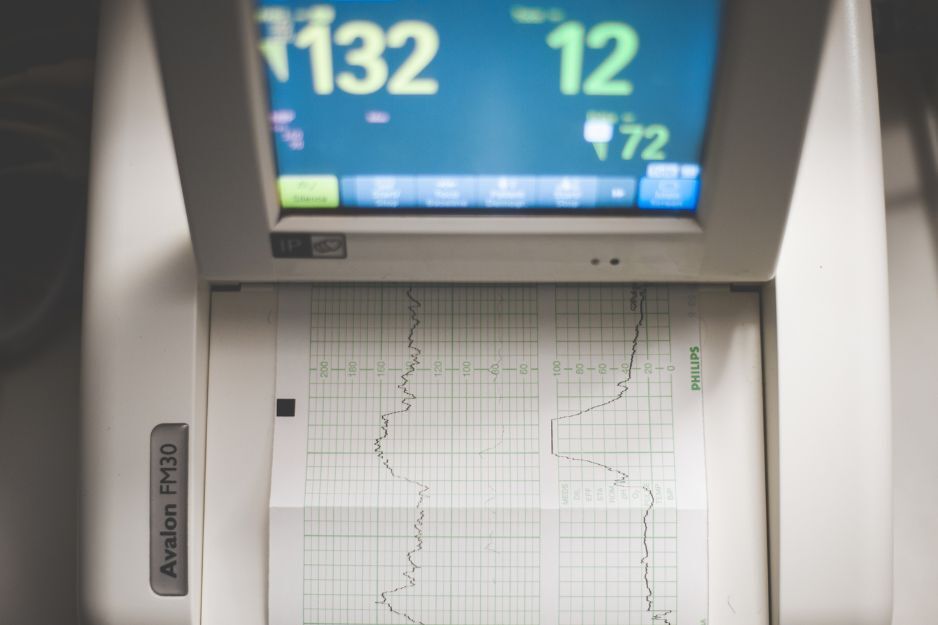
The end of a clinical trial typically marks a transitional period where participants stop contributing structured study data and resume care within the standard clinical setting. But the use of continuous, real-world monitoring in pharmaceutical development is beginning to change this structure, closing the gap between clinical research and post-market care.
Sponsors and research partners are now putting more emphasis on long-term data collection, partly due to how some symptoms and long-term effects are intermittent, and can take weeks or months to develop. For patients, continuous data collection can actually require less effort than traditional methods because it happens remotely from the comfort of the patient’s home. The ease of participation helps to increase recruitment in trials and improve adherence.
At Vivalink, we’ve been involved in two ongoing studies that illustrate the power of long-term, continuous monitoring to not only improve drug development and safety but also improve patient health outcomes.
In this blog, we will cover:
In most site-based studies, patient data is captured for a few hours every couple of weeks, a model that works well for stable, predictable conditions, but falls short for symptoms that are intermittent or take weeks to develop. Patients can also have trouble remembering what they’ve experienced between visits, and they may miss symptoms that aren't immediately evident or that occur while they’re sleeping. This introduces patient bias and gaps in self-reported data that can compromise trial outcomes.
Continuous, remote monitoring addresses both problems. By collecting data passively and in real time, wearable devices capture the full picture of a patient's health, instead of just a snapshot taken during a clinic visit. As monitoring can take place from home, patients avoid the logistical burden of frequent travel, making participation easier and improving both recruitment and adherence.
Take a look at Ochsner Health in New Orleans, where researchers are using wearable cardiac monitors to study the relationship between epilepsy and cardiac health. People with epilepsy face a heightened risk of arrhythmias, which may contribute to sudden unexpected death in epilepsy (SUDEP), a serious complication that has historically been difficult to study due to its intermittent nature. Early findings suggest that seizures may disrupt cardiac coordination, reducing oxygen flow and elevating risk. Continuous monitoring creates an opportunity to use wearables as an early warning system, giving care teams more time to intervene before complications escalate.
At Brigham and Women's Hospital in Boston, a separate study is examining postoperative atrial fibrillation (poAF) in patients who have undergone open-heart surgery. PoAF affects 30% to 50% of cardiac surgery patients and is associated with increased morbidity and longer hospital stays. Initial findings show that wearable devices can detect arrhythmias early in 80% of cases that would otherwise go unidentified until a three-month follow-up, resulting in faster intervention and better outcomes.
Both patients and sponsors stand to gain from the ongoing transition to continuous data collection especially as it extends into the space normally occupied by traditional care. As we’ve seen in studies, patients benefit from increased diagnostic capacity, resulting in earlier warnings and greater opportunity to address complications before they develop into long-term effects. Sponsors benefit through additional data collection that builds off existing trial logistics, giving them the ability to fine-tune dosages, polish administration guidelines, and detect rare side effects without increasing spend.
Continuous monitoring has opened up connections between patient care and clinical trials, two spaces in the healthcare landscape that were once separate. At Vivalink, we’re working to help sponsors lower the cost of research and development by stepping into the space between trial and care, increasing the efficiency of clinical trials while also supporting patient health outcomes.


51 E Campbell Ave #160, Campbell, CA 95008
Copyright © 2026 VivaLNK, Inc. All Rights Reserved.


No Comments Yet
Let us know what you think