

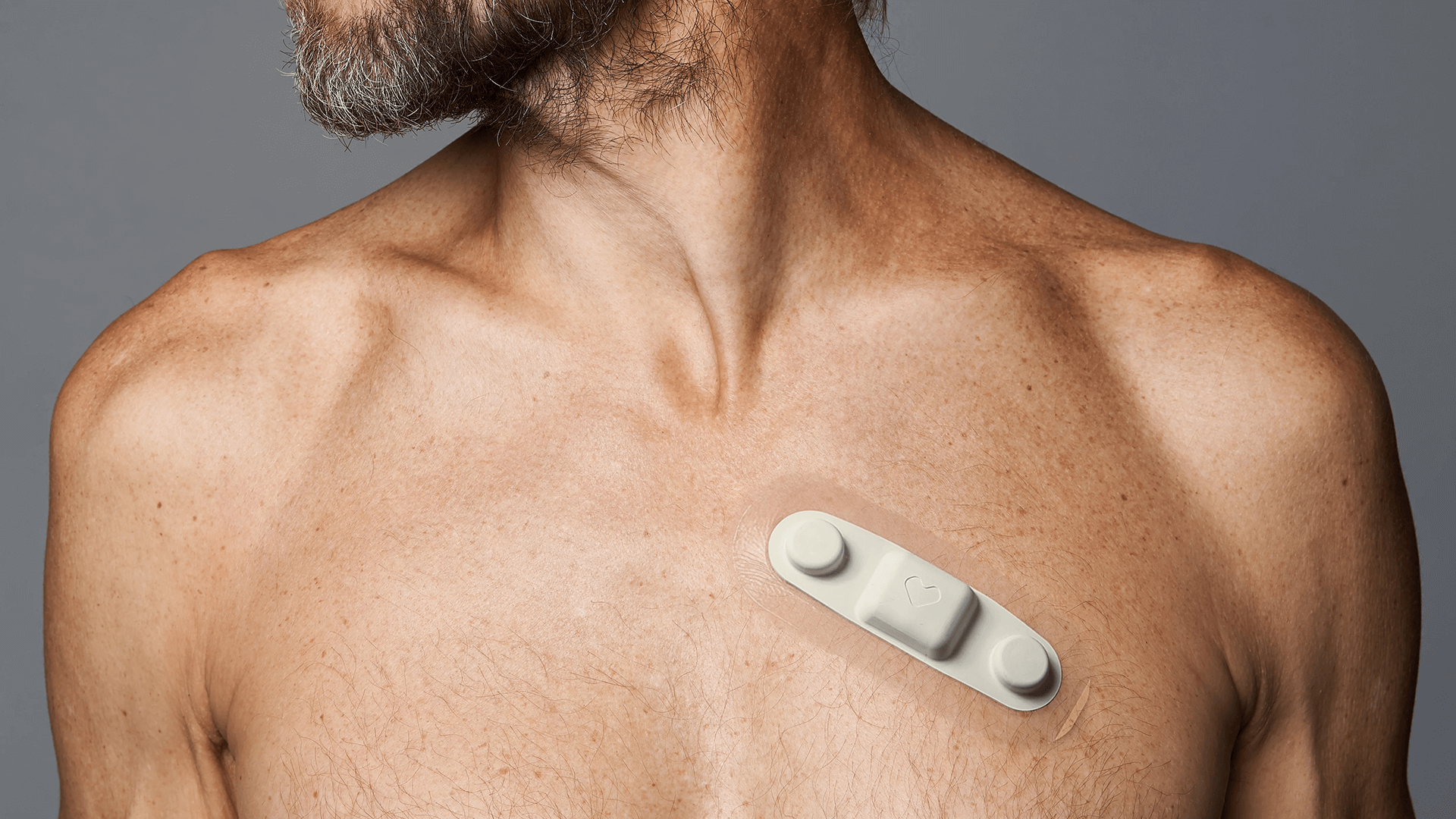
The most effective chemotherapy drugs pose significant cardiac risks to cancer patients, however traditional monitoring methods are limited to periodic clinic visits. These visits cannot account for the day to day activities of cancer patient’s lives, leaving gaps in the data clinicians need. Wearable ECG technology offers a way to keep cancer patients safer without disrupting their daily lives, while simultaneously giving clinicians that critical data.
In this blog, we will cover:
The cardiac risks of chemotherapy span a number of drug classes. Therapies such as anthracyclines, specific tyrosine kinase inhibitors (TKIs), and HER2-targeted agents are documented as high-risk drug classes, correlated with cardiotoxicity, arrhythmias, and damage to the heart’s structure and electrical system. These effects can develop gradually and often show up as brief, asymptomatic events, which are frequently missed between scheduled clinic visits.
Chemotherapy also suppresses the immune system, leaving patients vulnerable to neutropenic fever and sepsis during the typical 7 to 14-day post-cycle window. Early physiological signs of complications such as elevated heart rate, rising respiratory rate, and elevated temperature can appear hours before a patient might feel critically ill. Without continuous monitoring, that early warning window is easily missed.
Those gaps created by traditional monitoring are where ECG monitoring plays an important role. Instead of relying on periodic clinic visits, medical-grade wearable patches, such as Vivalink’s Wearable ECG Monitor, provide real-time data throughout the entirety of the post-cycle period, allowing the patient to rest at home. For oncology patients already dealing with fatigue, frequent appointments, and the side effects of treatment, at-home recovery is significant. The lightweight nature of the ECG patches allows them to integrate into daily life, without disrupting routines or requiring even more hospital visits. Meanwhile, clinicians have access to a continuous stream of cardiac data, giving them time to respond to warning signs before they escalate into emergencies.
Wearable technology opens the door for further predictive capabilities. Studies show that heart rate variability (HRV) suppression can precede the onset of chemotherapy-induced peripheral neuropathy (CIPN) in patients on taxane and platinum regimens, emerging often before patients notice any symptoms. With continuous monitoring, HRV can provide an objective screening method for a condition that currently lacks validated early detection tools.
Beyond patient care, continuous cardiac monitoring has the potential to broaden the scope of cardiac research. Wearable ECGs provide high-quality data related to patient safety, which can prove significant for researchers developing new cancer drugs. By detecting arrhythmias and cardiotoxic effects that occur between clinic visits, wearables close blind spots that can affect both patient health and trial outcomes.
By capturing transient events, supporting objective cardiac endpoints, and giving researchers a more complete picture of a drug’s safety profile across the full treatment cycle, continuous cardiac monitoring offers enormous potential in oncology research.
As research advances, our ability to detect and respond to the cardiac risks of chemotherapy does as well. Continuous, wearable ECG monitoring can give both care teams and researchers the visibility needed to protect patients, all while producing quality safety data – benefits we’ve seen firsthand at Vivalink through our own chemotherapy studies. Get in touch to learn more about how Vivalink can help support safer chemotherapy treatment through continuous cardiac monitoring.


Copyright © 2026 VivaLNK, Inc. All Rights Reserved.


No Comments Yet
Let us know what you think